Just How an Aluminum Foundry Plays a Vital Function in Different Industries
an Aluminum foundry functions as a crucial part throughout numerous markets. It provides light-weight and sturdy products that boost item efficiency. In automotive and aerospace applications, these foundries produce components that meet strict standards while optimizing performance. Customer electronic devices and building and construction additionally benefit from cutting-edge aluminum designs. Nonetheless, the impact of aluminum foundries expands beyond simply manufacturing. The subtleties of their role in sustainability and recycling deserve exploring better.
The Process of Aluminum Casting
Aluminum casting is a complicated procedure, it can be broken down into a number of key phases that assure the production of high-grade components. Initially, raw aluminum is thawed in a heating system, reaching temperatures around 1,200 degrees Fahrenheit. This liquified aluminum can then be poured right into molds made for particular forms and dimensions.
As soon as poured, the steel is permitted to solidify and cool down, developing the wanted element. The following stage includes eliminating the casting from the mold and mildew, adhered to by an extensive evaluation to recognize any type of problems.
Machining procedures are utilized to accomplish exact dimensions and surface finishes if required. Finally, the completed castings undergo surface treatments for enhanced toughness and visual appeals. Each of these stages is important, as they collectively assure the structural honesty and efficiency of the final aluminum items, making them appropriate for different industrial applications.
Applications in the Automotive Sector
Aluminum foundries play a crucial duty in the automotive market by producing light-weight elements that enhance fuel performance. The product's heat resistance residential properties make it appropriate for various engine components, making sure toughness under severe conditions. In addition, aluminum's adaptability enables for customized layout abilities, meeting the details requirements of modern-day automobile production.
Lightweight Components Manufacturing
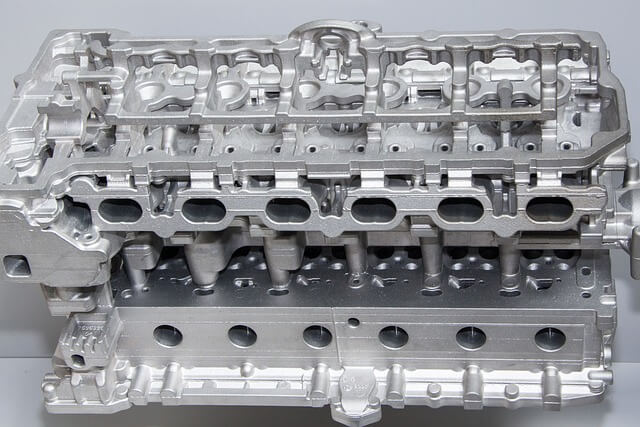
The automotive sector progressively counts on lightweight parts to improve gas effectiveness and efficiency. Aluminum foundries play a critical duty in this shift by generating premium aluminum components that decrease total automobile weight without jeopardizing strength. These light-weight parts, such as engine blocks, framework, and body panels, add to improved acceleration and handling, making lorries much more dexterous - aluminum metal casting. Furthermore, using aluminum permits higher layout flexibility, allowing makers to develop innovative shapes and frameworks that typical materials can not accomplish. As car manufacturers endeavor to satisfy rigorous emissions guidelines and customer demands for greener automobiles, the relevance of light-weight aluminum components will remain to grow, strengthening the aluminum foundry's essential setting in the automotive supply chain
Warmth Resistance Advantages
Warmth resistance is a crucial consider automotive applications, specifically for parts subjected to extreme temperatures. Aluminum castings from foundries are engineered to hold up against high heat, making them perfect for engine parts, transmission housings, and exhaust components. The ability to keep structural honesty under thermal anxiety enhances performance and longevity, decreasing the requirement for regular substitutes. Additionally, aluminum's lightweight nature adds to general lorry performance, which is important in modern automotive design. The foundry process enables particular alloy structures that improve warm resistance, making sure that components can operate effectively popular atmospheres. Therefore, aluminum castings not only fulfill automotive market standards but additionally add to enhanced gas performance and minimized emissions.
Customized Design Capabilities
While modern-day automotive designs demand innovation and adaptability, custom layout capacities supplied by aluminum foundries play an essential function in satisfying these demands. These foundries supply customized solutions, making it possible for suppliers to develop elements that are lightweight yet sturdy. By leveraging innovative casting methods, they can produce detailed shapes and frameworks that maximize automobile performance and fuel efficiency. Furthermore, aluminum's inherent homes enable improved deterioration resistance, contributing to longer-lasting automotive components. The ability to personalize layouts also assists in quicker prototyping, enabling automotive engineers to repeat and refine their ideas promptly. This synergy between foundries and automotive suppliers promotes a setting of creativity and effectiveness, inevitably driving developments in automobile modern technology and style.
Payments to the Aerospace Market
The aerospace industry significantly take advantage of aluminum foundries via the manufacturing of lightweight elements that improve gas performance and efficiency. Precision casting techniques utilized in this market guarantee that parts satisfy rigid aerospace criteria, crucial for safety and reliability. These contributions highlight the important function aluminum foundries play in progressing aerospace modern technology.
Light-weight Elements Production
Aluminum foundries play a crucial role in the aerospace sector by producing lightweight components that enhance airplane performance and efficiency. The usage of aluminum alloys permits suppliers to lower the total weight of airplane without jeopardizing structural integrity. This decrease in weight adds to boosted gas effectiveness, leading to lower operational prices and lowered exhausts. Furthermore, lightweight components promote far better ability to move and enhanced payload ability, crucial variables in contemporary aircraft design. By leveraging advanced casting techniques, aluminum foundries can develop complex shapes and layouts that fulfill the strict safety and security and click site efficiency requirements of the aerospace sector. Consequently, these foundries are indispensable to the recurring innovations in aerospace innovation, driving innovation and sustainability in air traveling.
Precision Casting Methods
Just how can precision casting methods change the aerospace market? These innovative techniques make it possible for the production of intricate and light-weight elements that fulfill rigorous performance requirements. By making use of accuracy casting, manufacturers attain a higher degree of information partially designs, enabling complicated geometries that were formerly tough to fabricate. This ability causes decreased product waste and enhanced architectural integrity, necessary for aerospace applications. Precision casting methods help with the production of elements with remarkable surface area finishes, lessening the demand for comprehensive post-processing. The performance gained from these strategies contributes to much shorter preparations and reduced production expenses, ultimately enhancing the competitiveness of aerospace producers. Accuracy casting arises as a vital procedure in progressing aerospace modern technology and efficiency.
Aerospace Market Criteria
Criteria in the aerospace industry play a significant duty in assuring safety and security, dependability, and performance across various applications. Aluminum foundries add substantially to this market by adhering to strict guidelines established by companies such as the Federal Air Travel Administration (FAA) and the European Union Air Travel Security Company (EASA) These requirements dictate product requirements, screening treatments, and quality control refines that aluminum parts have to fulfill. Compliance with these policies guarantees that components, such as airplane structures and engine elements, can stand up to extreme problems and anxiety. Furthermore, progressed technologies and rigorous examinations in aluminum foundries promote the production of light-weight yet long lasting materials, boosting fuel performance and performance in aerospace designs. Eventually, these contributions are crucial for keeping high safety requirements in aviation.
Enhancing Consumer Electronic Devices With Aluminum
As consumer electronics proceed to develop, the assimilation of aluminum has come to be progressively substantial because of its one-of-a-kind properties. This light-weight steel provides superb thermal conductivity, making it perfect for warmth dissipation in devices like mobile phones, laptop computers, and gaming consoles. Furthermore, aluminum's high strength-to-weight proportion allows makers to design sleeker, much more mobile items without compromising toughness.
Aluminum is also extremely immune to rust, boosting the longevity of consumer electronics in different settings. Its malleability allows complex layouts and customizations, appealing to visual choices while keeping functionality. The recyclable nature of aluminum lines up with the expanding need for lasting techniques in electronic devices producing.
Integrating aluminum not just boosts efficiency yet also offers suppliers with possibilities for development. As the sector presses in the direction of even more advanced innovation, aluminum's function fit the future of consumer electronic devices stays pivotal.
The Duty of Aluminum in Building And Construction and Framework
Aluminum plays an essential duty aluminum metal casting in the building and construction and facilities markets, thanks to its light-weight nature and exceptional stamina. This metal is regularly made use of in a range of structural applications, consisting of light beams, columns, and structures, which add to the general stability and long life of structures. Its resistance to rust makes aluminum an ideal selection for outside structures and settings revealed to harsh climate condition.
Additionally, aluminum's malleability permits elaborate styles and building advancements, enhancing aesthetic charm. The material's thermal conductivity plays a considerable function in energy-efficient building layouts, helping in temperature guideline and decreasing power usage.
Moreover, aluminum's recyclability improves its attractiveness for modern-day building tasks, as it can be reused without losing top quality. The adaptability of aluminum makes it possible for designers and engineers to create much safer, extra effective, and lasting frameworks, solidifying its position as a critical component in the construction market
Sustainability and Recycling in Aluminum Foundries
While numerous industries seek sustainable techniques, aluminum foundries are specifically remarkable for their dedication to reusing and environmental responsibility. Aluminum is one of the most recycled materials worldwide, with foundries utilizing scrap steel to create new products. This procedure substantially minimizes energy consumption, as reusing aluminum calls for only 5% of the energy required to extract it from raw ore.
Furthermore, aluminum foundries execute advanced modern technologies to lessen waste and discharges. Closed-loop systems are frequently used to handle water usage successfully, while efforts to decrease carbon impacts are progressively common. The focus on sustainability not only fulfills regulative requirements yet likewise charms to environmentally conscious customers straight from the source and services.

Regularly Asked Questions
What Precaution Are Executed in an Aluminum Foundry?
Precaution in an aluminum foundry consist of individual protective devices, air flow systems, normal safety training, emergency feedback strategies, risk communication, tools safety and security protocols, and adherence to work wellness laws to reduce dangers and warranty worker safety.
Exactly How Does Aluminum Casting Affect Item Resilience?
Aluminum casting substantially enhances product toughness by providing outstanding strength-to-weight proportions, deterioration resistance, and thermal conductivity. These homes assure that actors aluminum parts hold up against harsh environments and mechanical tension, eventually expanding their life-span and reliability.
What Are the Common Defects in Aluminum Casting?
Common defects in aluminum casting include porosity, shrinkage, inclusions, cold shuts, and surface imperfections. These concerns can emerge from inappropriate mold and mildew layout, poor temperature level control, or contamination, potentially impacting the general high quality and performance of the end product.
Exactly How Is High Quality Control Maintained in Aluminum Foundries?
Quality control in aluminum foundries is maintained via rigorous inspection processes, adherence to sector criteria, use of innovative modern technologies, and continual training of employees to assure precision and reduce defects throughout the casting procedure.
What Are the Expenses Related To Aluminum Casting Processes?
The prices connected with aluminum casting processes consist of basic material expenses, labor prices, equipment maintenance, power consumption, and quality assurance measures (aluminum foundry). These factors jointly influence the general economic investment required for reliable production
Aluminum foundries play a pivotal duty in this shift by generating top notch aluminum parts that minimize overall automobile weight without compromising toughness. Aluminum castings from foundries are crafted to withstand high warm, making them perfect for engine components, transmission housings, and exhaust elements. While modern automotive styles require development and flexibility, customized layout capabilities used by aluminum foundries play an essential duty in meeting these requirements. Aluminum foundries play a crucial function in the aerospace field by creating light-weight components that improve airplane efficiency and efficiency. By leveraging advanced casting methods, aluminum foundries can create elaborate forms and designs that satisfy the stringent security and performance requirements of the aerospace sector.
Comments on “How custom design capabilities in an aluminum foundry enable automotive innovation”